How These Welcoming Spaces Work

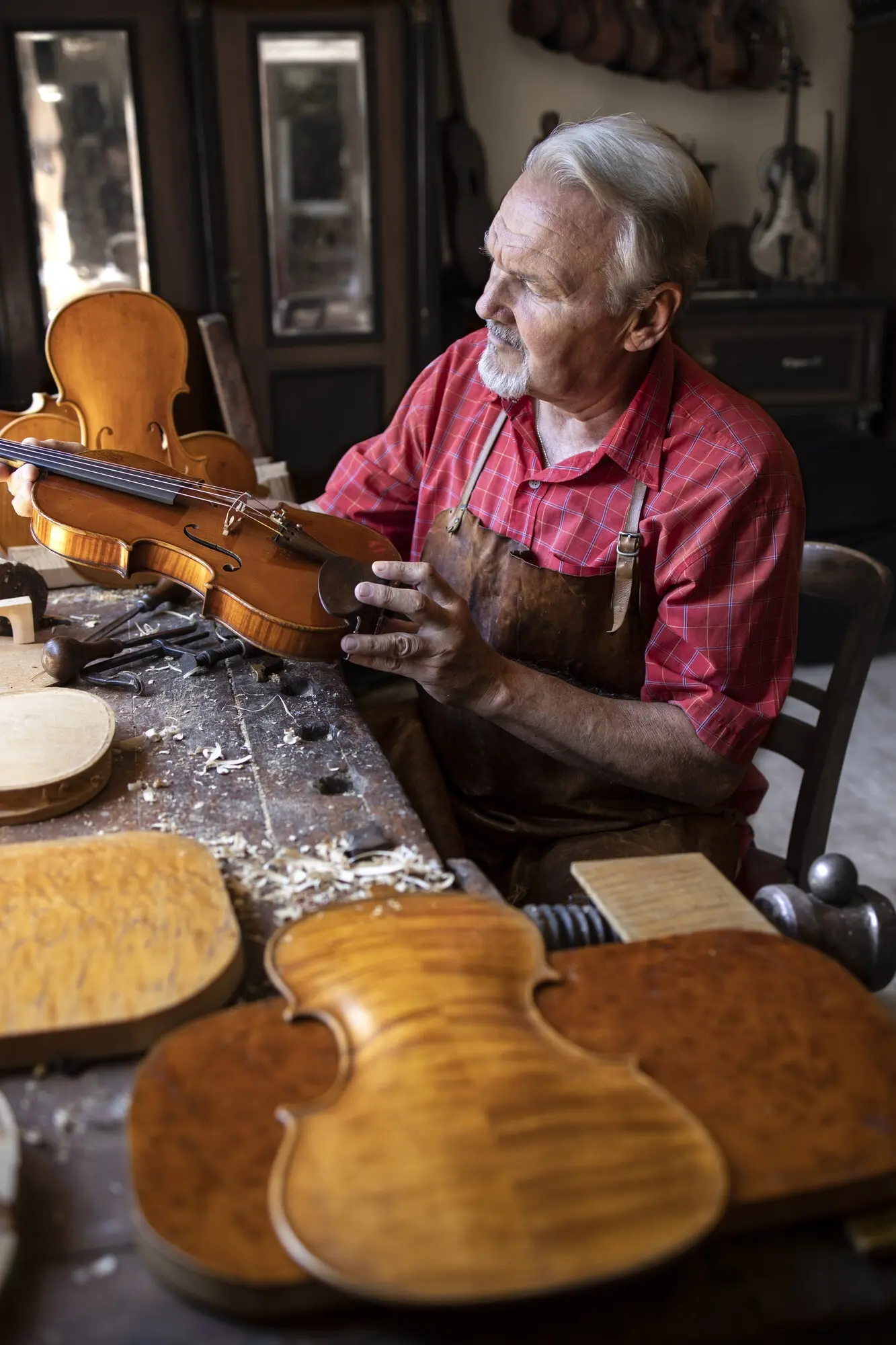
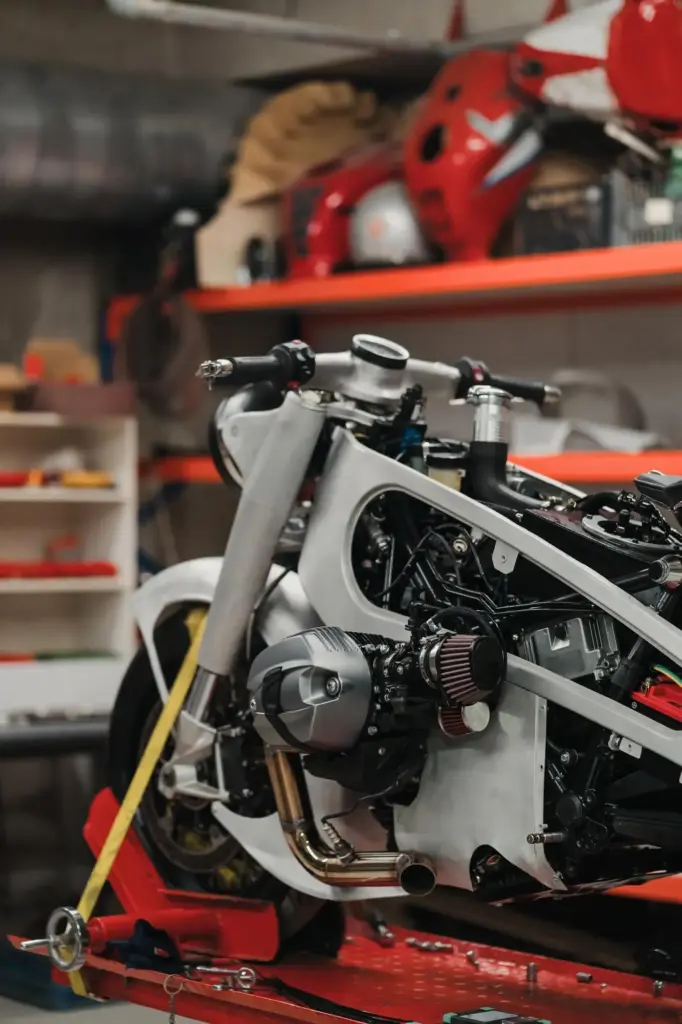
Step inside and you’ll find a sign‑in table, a friendly greeter, and buzzing workstations set up for textiles, bikes, and electronics. Volunteers triage items, explain options, and invite you to learn by doing. It’s donation‑based, transparent, and designed so safety and curiosity comfortably share the same bench.
You arrive with your item, share its story, and get matched to a suitable table. A volunteer gently diagnoses the fault, talks through risks, then invites you to help. Together you open casings, unpick seams, or realign components, celebrating incremental wins until your object clicks, hums, or wears beautifully again.
Retired engineers sit beside fashion students, bicycle mechanics, and curious neighbours. They teach safe disassembly, continuity checks, thread choice, and lubrication basics. Questions are encouraged, and mistakes become learning. You’ll hear laughter during stubborn screws, patient silence during tests, and applause when the lamp glows or the zip glides smoothly home.
Most events are free, with a donation jar funding consumables like fuses, patches, and machine oil. Teams log outcomes to improve future sessions and demonstrate impact to councils. Safety checklists, PAT testing for electrics, and clear boundaries ensure confidence, while volunteers model calm decision‑making when replacement proves kinder than repair.

Skills You’ll Learn While Something Gets Fixed

Beyond leaving with a working item, you leave with repeatable know‑how: how to ask the right questions, choose tools, and proceed methodically. You’ll practice patience, documentation, and tidy work habits. These confidence‑building habits ripple into daily life, shrinking waste bins and expanding your ability to help friends and neighbours.

People and Places Making It Happen Across the UK

London and the Energy of Neighborhood Hubs

In London, diverse neighbourhoods host lively sessions where prams, amps, and raincoats queue together. Partnerships with libraries and The Restart Project bring expert fixers and structured training. Pop‑ups under railway arches and in arts centres invite passersby, proving that a kettle revived beside a gallery conversation sparks curiosity and camaraderie.

Manchester, Leeds, and the North’s Hands‑On Spirit

Northern sessions combine straightforward humour with meticulous craft. You might see a record player revived while someone learns to darn a football sock. Community centres, universities, and cycling collectives collaborate, sharing storage, publicity, and logbooks. The atmosphere blends thrift with pride, where shared biscuits and spares turn strangers into resourceful teammates.

Scotland, Wales, and Coastal Town Ingenuity

Highland and island groups trade ferry‑timed parts and creative workarounds, while Welsh valleys coordinate through libraries and repair‑minded Men’s Sheds. Coastal towns specialise in salt‑resistant maintenance and bicycle resilience against wind. These gatherings honour local materials, storytelling, and patient improvisation, ensuring repair culture thrives even where supply chains run thin.

Why Repair Matters: Circular Impact You Can Feel

Repair Cafés reduce waste, extend product lifespans, and nurture neighbourly trust. Each saved appliance prevents unnecessary manufacturing emissions and landfill. Households save money, and skills stay local. UK regulations increasingly encourage longer‑lasting goods and spare‑part access, while community sessions translate policy into practiced habits people can touch, celebrate, and teach forward.

Waste Avoided and Carbon Saved, One Fix at a Time

Repair shifts momentum from disposal to stewardship. When a toaster lasts five more years, upstream extraction, packaging, and shipping are avoided. Multiply that across sessions nationwide, and emissions reductions become tangible. Data logs help quantify outcomes, while smiling owners carrying re‑powered devices tell the human‑level climate story better than charts.

Confidence, Connection, and Intergenerational Learning

A teenager swapping a phone battery beside a retired technician experiences respect and shared discovery. Grandparents pass threading wisdom; students map circuits. Friendships form over tea and tricky screws, shrinking isolation while boosting civic pride. These bonds outlast warranties, seeding a culture where asking for help feels normal, generous, and empowering.

Prepare for Your First Visit

Arrive curious and ready to participate. Bring chargers, manuals, and any parts already purchased. Back up data if electronics are involved, clean the item, and photograph symptoms. Expect to help unscrew, hold, and reassemble. Leave with a repaired object or a clear plan, plus habits to maintain it confidently.

What to Pack: Cables, Manuals, and Patience

Original power supplies reduce misdiagnosis, so tuck them in. Manuals, receipts, or model numbers help source parts. A reusable container organizes screws and clips. Wear clothes suitable for light tinkering. Above all, bring patience and curiosity; they’re the most valuable tools when untangling intermittent faults or fussy zips and plugs.

Telling the Story of the Fault

Describe when the issue started, any smells, sounds, or flashing lights, and what recently changed—new detergent, a drop, colder weather. Recreate the problem safely if possible. Specific details guide efficient diagnostics, saving time and parts. The clearer the narrative, the faster volunteers can test hypotheses and coach you through next steps.

Spares and Alternatives When Parts Aren’t Available
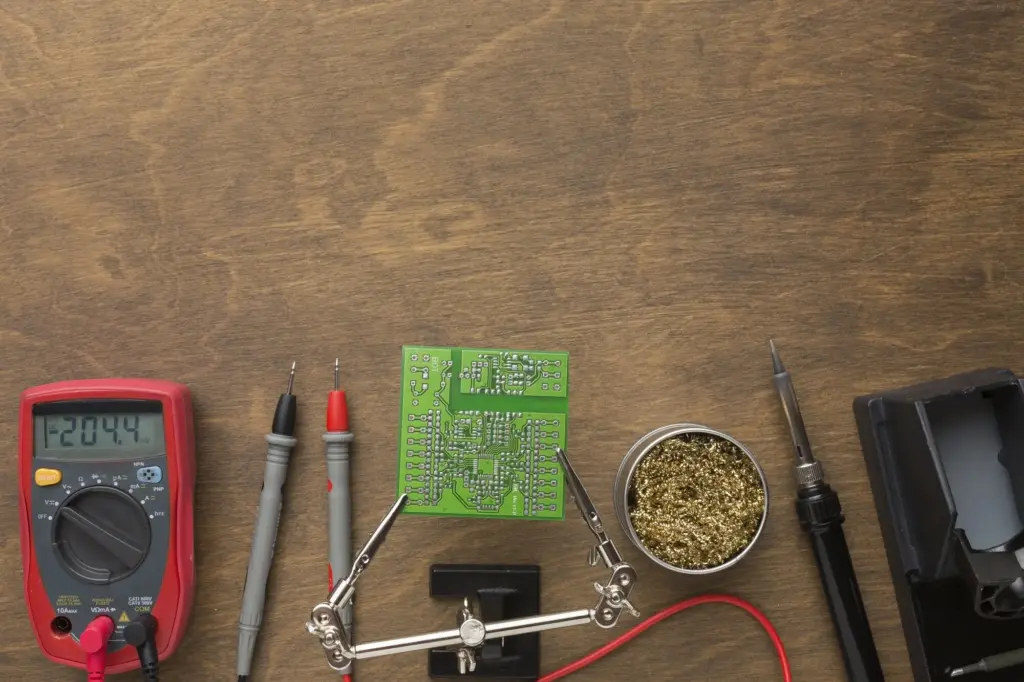
Sometimes replacement parts are discontinued. Volunteers explore compatible substitutes, donor devices, or 3D‑printed clips. If repair isn’t sensible, they’ll recommend reputable refurbishers, community sharing platforms, or responsible recycling points. You still leave wiser, with actionable options and insight into purchasing durable items designed for future maintenance and realistic, affordable care.

Start or Support a Local Session

If your area lacks a gathering, consider helping one flourish. Partner with libraries, councils, or faith spaces for accessible venues. Draft simple safety protocols, decide on insurance, and borrow starter toolkits. Keep it welcoming, inclusive, and data‑informed. Even sharing bakes or welcoming newcomers meaningfully strengthens the repair culture around you.
Karosavikirazoripento
Privacy Overview

This website uses cookies so that we can provide you with the best user experience possible. Cookie information is stored in your browser and performs functions such as recognising you when you return to our website and helping our team to understand which sections of the website you find most interesting and useful.